Frozen French Fries Export Documents
Confirm the exact frozen French fries product, cut, style, application and expected bulk-supply requirement.

Plan frozen French fries import documentation, commercial shipping records, product documents and destination requirements for reefer export and international B2B supply. This page is written for international importers, frozen food distributors, foodservice procurement teams, QSR and restaurant buyers, wholesalers, retailers and private-label brands evaluating import documentation, shipment paperwork, destination requirements and trade coordination.
Use it to compare the product or supply requirement, prepare better questions for a frozen French fries supplier, and move from initial sourcing to sample, specification, packaging and repeat-order planning.
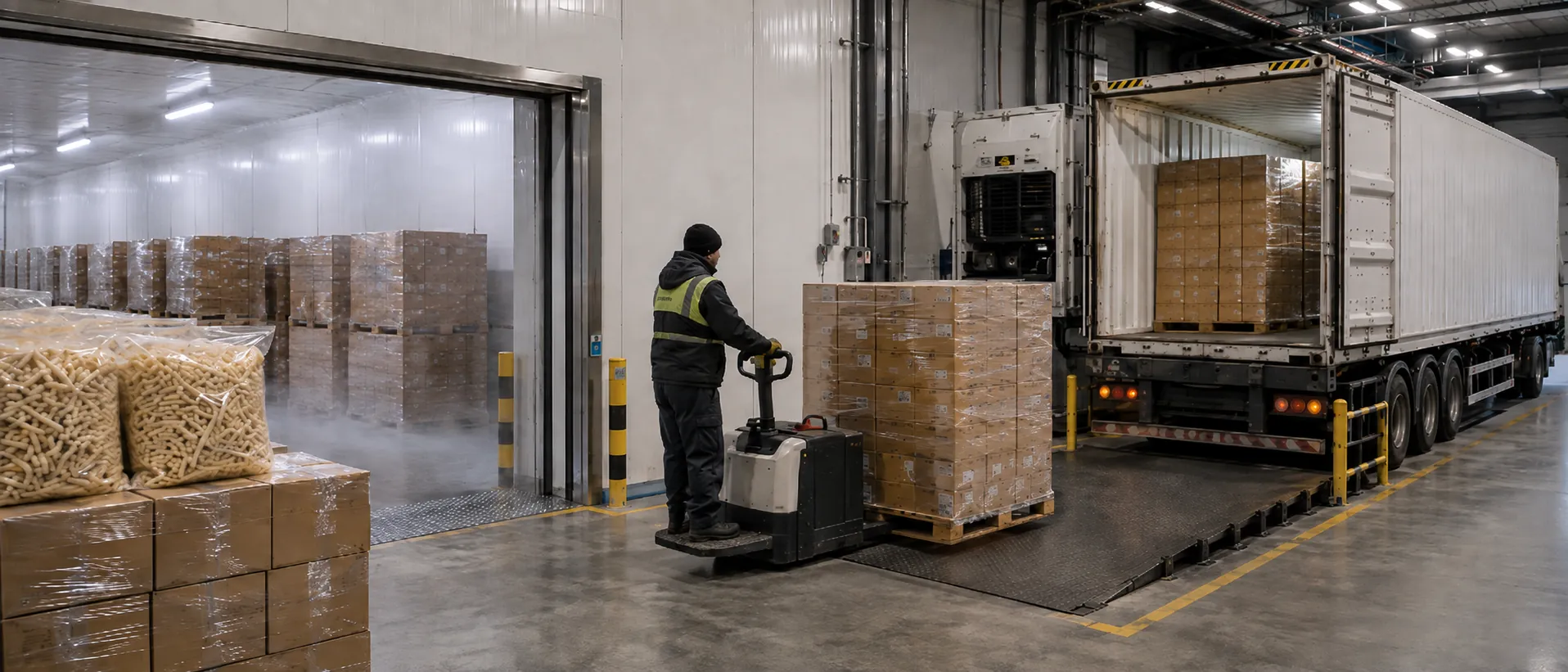
Importers should confirm the destination-country document requirements before the frozen French fries shipment is finalized. Depending on the transaction and market, the commercial file can include invoice and packing information, transport documents, origin documentation and product or food-safety evidence. The exact list should be confirmed for the destination and selected SKU rather than assumed from another market.
Use this page to own the supply question around commercial invoice, packing list, origin/transport documents and destination requirements, tied to the actual SKU, pack and destination. Keeping commercial invoice, packing list, origin/transport documents and destination requirements transaction-specific prevents packaging, cold chain, documents, loading and contact pages from becoming versions of the same logistics article.
Frozen French fries specifications, packaging descriptions, lot information and commercial documents should refer to the same approved product. This is particularly important for private-label frozen French fries, foodservice distribution and retail programs where the buyer may also have label or customer-specific compliance requirements. Resolve document wording and product identity before final shipment preparation.
Validate commercial invoice, packing list, origin/transport documents and destination requirements with real order data because product, pack, quantity, destination and agreed requirements can change the answer. A transaction-level check for commercial invoice, packing list, origin/transport documents and destination requirements is more reliable than a generic loading number, document list or shipping statement.
Incoterm discussions are most useful when the product, pack format, estimated quantity, destination port and required documents are known. Rather than treating a frozen French fries export quote as only a price per metric ton, buyers should review what is included in the quoted term, which destination costs remain outside the quotation and what information is needed for reefer booking and customs preparation.
Before shipment or commercial approval, review every handoff created by commercial invoice, packing list, origin/transport documents and destination requirements, including responsibility, current data or document revision and product/shipment identification. The receiving side should be able to recognize the same reference used to approve commercial invoice, packing list, origin/transport documents and destination requirements.
Documentation and cold-chain handling meet at destination. The importer should align customs, reefer release, local frozen transport and receiving storage so the frozen French fries can move efficiently after arrival. If your market has a specific certificate, import permit, language, label or document requirement, include it in the RFQ so it can be reviewed before commercial production or shipment.
Put unresolved points about commercial invoice, packing list, origin/transport documents and destination requirements into the RFQ or pre-shipment checklist and assign the next action. That keeps commercial invoice, packing list, origin/transport documents and destination requirements practical while other supply pages remain focused on their own responsibility.
These questions stay with this page's real job: commercial invoice, packing list, origin/transport documents and destination requirements. They are written for frozen French fries importers, foodservice buyers, distributors and private-label teams who need a useful decision, not another generic supplier FAQ.
This page owns commercial invoice, packing list, origin/transport documents and destination requirements. Confirm the exact frozen French fries SKU, pack, quantity, destination and any transaction-specific requirement that changes the answer. For frozen French fries export documents, avoid using generic logistics or document assumptions from another product or market because packaging, loading and compliance details can change the commercial plan.
Use current order data and verify the handoff points created by commercial invoice, packing list, origin/transport documents and destination requirements: who supplies the information, which version is current, when it is checked and how it links to the frozen French fries shipment. For how to import frozen French fries, a clear pre-shipment check is more useful than copying the same broad supply checklist onto every page.
The risk is that commercial invoice, packing list, origin/transport documents and destination requirements is assumed rather than confirmed for the actual order. A mismatch can create rework, loading loss, document delay, packaging disagreement or receiving confusion depending on this page's subject. Record the agreed point for bulk frozen French fries before the shipment moves to the next handoff.
Ask the supplier to answer specifically for the quoted SKU and destination: how commercial invoice, packing list, origin/transport documents and destination requirements is handled, which data or document proves it and which party is responsible at each handoff. This keeps frozen French fries exporter tied to a real commercial shipment instead of a generic frozen French fries statement.
Add only unresolved items related to commercial invoice, packing list, origin/transport documents and destination requirements, together with product, packaging, destination, quantity and timing. If frozen French fries changes those conditions, update the checklist instead of carrying forward an old assumption. This lets the RFQ, order confirmation and pre-shipment review use the same frozen French fries transaction data.