Frozen French Fries Manufacturer
Confirm the exact frozen French fries product, cut, style, application and expected bulk-supply requirement.

Learn how Junsheng approaches frozen French fries manufacturing, specification control, foodservice supply, private label and international B2B procurement. This page is written for international importers, frozen food distributors, foodservice procurement teams, QSR and restaurant buyers, wholesalers, retailers and private-label brands evaluating supplier qualification, manufacturing capability and repeat international B2B supply.
Use it to compare the product or supply requirement, prepare better questions for a frozen French fries supplier, and move from initial sourcing to sample, specification, packaging and repeat-order planning.
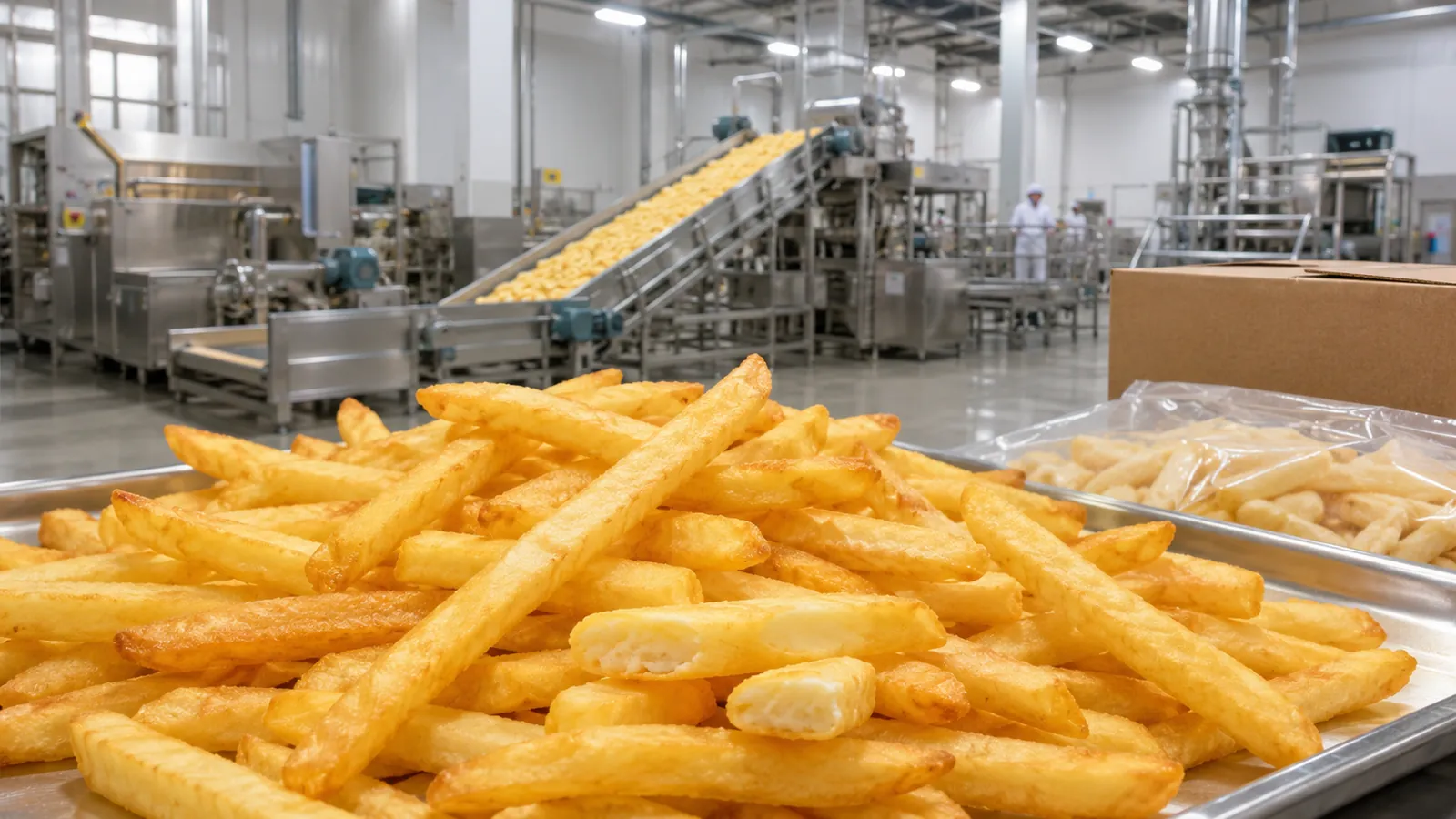
If you are evaluating a frozen French fries manufacturer for long-term supply, you need more than a general company introduction. Junsheng organizes its frozen French fries supply around the questions international buyers actually need answered: which cut and style fit the application, how samples should be evaluated, how an approved specification is controlled, how foodservice or retail packaging is confirmed, and how frozen products move through the cold chain. This customer-first approach helps importers, distributors, QSR groups, restaurants and private-label buyers compare frozen French fries on practical procurement criteria rather than broad promotional claims.
International buyers searching for frozen French fries manufacturer should use company information to understand how the supplier approaches frozen French fries product selection, quality review, documentation, packaging, cold chain and repeat B2B supply. A credible company introduction should help procurement teams see how commercial conversations are organized and which evidence can be requested for the exact SKU. This is more useful than broad claims about scale or service that are not connected to a buyer's actual foodservice, wholesale, retail or private-label requirement.
A 7mm frozen French fries program for fast-food service is not purchased for exactly the same reasons as 10mm restaurant fries, coated frozen French fries for delivery, or retail frozen fries for a supermarket program. We therefore organize product discussions around your channel, cooking method, desired cut profile, packaging, destination market and commercial volume. The objective is to help you shortlist a frozen French fries specification that can be tested in your real operation before a bulk order is approved.
The next sourcing step is to connect the company profile with a real frozen French fries requirement. Define cut or style, application, target market, packaging, estimated volume and sample needs, then ask for the current specification and applicable quality or export information. This gives buyer and supplier a shared reference and helps determine whether the product program fits the intended QSR, restaurant, distribution or retail channel.
When you compare frozen French fries suppliers, look for evidence that supports the product you are buying: real product samples, current specifications, quality-control procedures, traceability, packaging information, frozen-storage requirements and shipment planning. Factory, production-process, quality-control, cold-chain and sample-evaluation information should be reviewed as part of the same purchasing decision. This gives foodservice procurement teams and international frozen-food importers a clearer basis for supplier qualification.
For a long-term supplier relationship, communication quality matters alongside the frozen fries product itself. Buyers benefit when technical, packaging, quality and logistics questions are answered against the same SKU and when changes are documented clearly. A disciplined approval path from sample to specification, commercial pack and shipment makes it easier to manage repeat orders and investigate any later question using lot and document references.
A good frozen French fries sample is only the beginning. Commercial buyers also need repeatability between approved sample, production batch, packaging and future shipments. Batch consistency, lot references and shipment-level communication become important after the first order. For buyers seeking bulk frozen French fries or private-label frozen French fries, this repeat-purchase perspective helps create a more dependable supply relationship.
Before commercial approval, use the company information as a starting point for verification. Request the product, sample, specification, packaging and documents relevant to your market, confirm the frozen supply route and put unresolved conditions into the RFQ. This keeps the website introduction in the correct role: explaining the supplier's approach while final frozen French fries parameters, price, quantity and shipment terms are confirmed in approved business documents.
These questions stay with this page's real job: supplier role, product evidence, sample/specification linkage, B2B support and project handoff. They are written for frozen French fries importers, foodservice buyers, distributors and private-label teams who need a useful decision, not another generic supplier FAQ.
Confirm who manufactures, exports, sells and supports the exact frozen French fries manufacturer project, and which party owns the sample, specification, packaging and commercial order. For frozen French fries sourcing, company history is useful context but should connect to real product, factory and quality evidence. For bulk or private-label projects, clarify the contracting entity, product source, document issuer and after-sales contact before treating the supplier profile as verified.
Ask for current SKU-related specification, sample information, manufacturing or quality evidence, packaging data and destination-relevant documents. For frozen French fries supplier, the evidence should answer who makes the product, what specification applies, how it is verified and how it moves into a commercial frozen French fries order. Keep current versions in the supplier-qualification file rather than relying on generic capability claims.
B2B buyers purchase a repeatable product, not a company story. If sample, specification, pack and quotation do not refer to the same SKU, the first commercial frozen French fries order can diverge from what was approved. Ask the frozen French fries supplier to identify the product code, current specification and commercial pack tied to the approved reference.
Useful support converts the buyer's channel, cut/style need, sample request, packaging, destination and volume into a testable frozen French fries SKU. If the product is still open, use the product overview, selector or compare tools to narrow the range before requesting documents. Keep the approved sample, specification, pack and commercial conditions together before bulk purchasing.
Provide buyer type, target frozen French fries product or acceptable range, application, packaging, destination country/port, estimated volume and any sample, private-label, certification or document requirement. If the exact SKU is open, explain whether the project is QSR, restaurant, delivery, foodservice distribution or retail. That gives the supplier enough context to recommend and quote a relevant product rather than sending a generic price list.